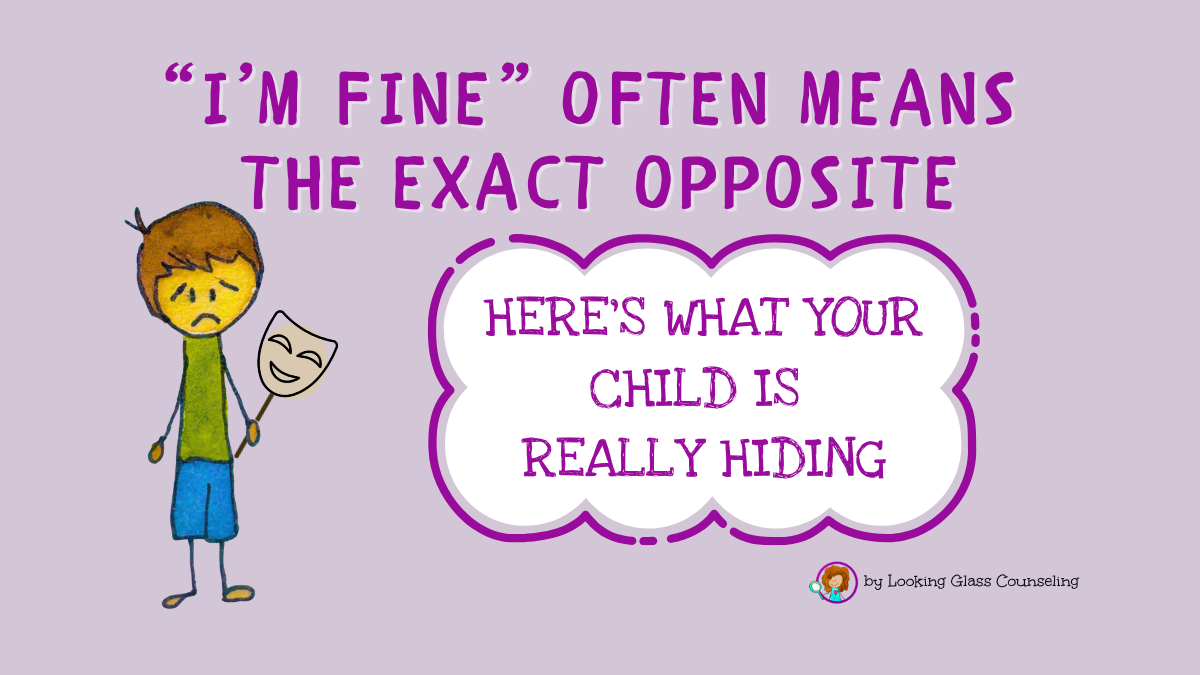
“I’m Fine” Often Means the Exact Opposite: Here’s What Your Child Is Really Hiding
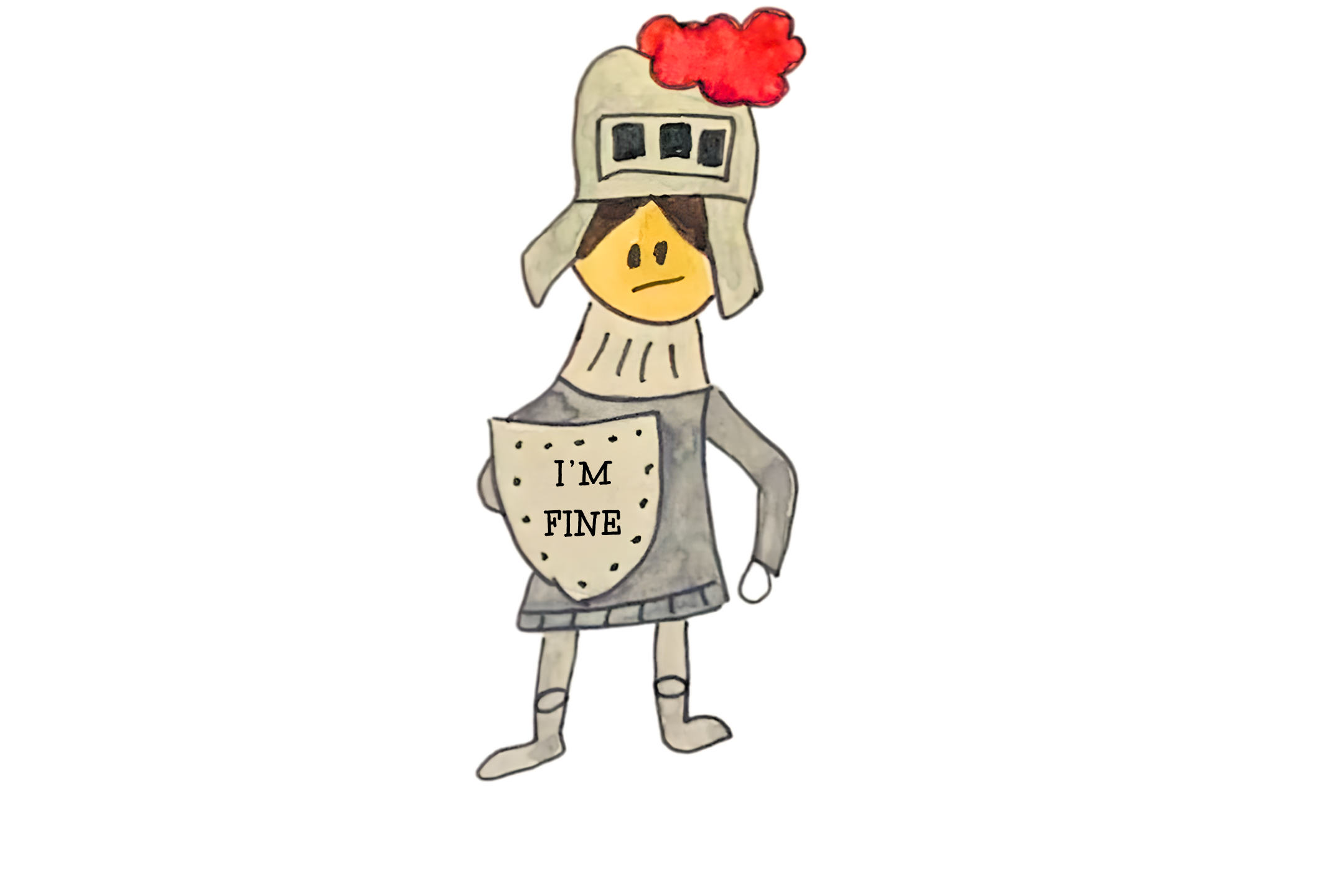
In our blog When Behavior Is Communication, we explored how children’s actions often reveal what they’re feeling inside. But sometimes, kids and teens hide their true feelings behind words like “I’m fine.” That simple phrase can do a lot of work — acting like a shield or coat of armor to protect them from uncomfortable emotions that feel like threats. These “threats” might include feelings of embarrassment, guilt, shame, worry about disappointing someone, or fear of not handling a situation well. Understanding what’s really behind “I’m fine” is key to helping both children and adults build emotional awareness, resilience, and deeper connection.
“I’m Fine” Is Emotional Protection
When a child says “I’m fine,” it’s often a natural coping strategy called emotional avoidance. Our brains are wired to protect us first, not to carefully analyze whether a situation is truly threatening. For kids, saying “I’m fine” can be a quick way to shield themselves—or even their parents—from feelings of distress, embarrassment, shame, disappointment, or guilt.
Many children are also “parent pleasers,” meaning they may minimize problems or avoid sharing challenges because they don’t want to worry or disappoint adults. This sometimes looks like lying, but it’s usually a fear-based response rather than intentional dishonesty.
Think about a familiar scenario: your child already knows they did something they shouldn’t have. They feel embarrassment or guilt, and answering the immediate “Why?” question would highlight their mistake and risk disappointing you. Their first instinct might be “I didn’t do it” or “I’m fine.” This is not about defiance—it’s their brain’s way of staying emotionally safe.
Offering Safe Ways to “Get It Out”
Another important piece to understand is that children often struggle first with finding the words to describe what they’re feeling, and second with feeling safe enough to share. One of the simplest and most effective ways to help them process emotions is to offer time, space, and a blank piece of paper.
Writing, doodling, drawing, or even scribbling gives kids of all ages a chance to express what’s inside without needing to talk. They don’t even have to share their creations with you—the goal is simply to release the belief that these heavy emotions have to sit inside and stew. Feelings don’t just disappear; they need an outlet.
Next time your child is visibly struggling, but says, “I’m fine”, consider offering a nonverbal outlet first. It allows them to process on their own terms, and over time it can make verbal sharing feel safer and more natural. This is a practical way to move from “I’m fine” toward genuine expression and emotional relief.
What Research Shows About Avoidance
Acceptance and Commitment Therapy studies by Hayes and colleagues on emotional avoidance show that:
Avoidance provides short-term relief
Over time, avoidance increases anxiety and distress
Avoidance prevents the development of emotional processing skills
In short, avoiding feelings works temporarily—but keeps kids stuck in the long run.
What “I’m Fine” Often Really Means
For children and teens, “I’m fine” can mean:
“I don’t have words yet”
“This feels too big or scary”
“I don’t want to make things worse for anyone”
“I’m not sure I can handle this”
Understanding that “I’m fine” is often a protective shield changes how we respond as adults.
Why Pushing Backfires
When adults push for immediate explanations, the nervous system often interprets that as pressure—not support. Research on emotional regulation shows that feeling safety has to come before for emotional openness can occur.
Pressure → Shutdown
Curiosity → Safety & Trust
Trying to force an explanation can backfire by increasing resistance and anxiety instead of fostering communication and connection.
What Helps Instead
Helpful responses prioritize safety and patience. Try saying things like:
“You don’t have to explain it yet”
“I’m here when you’re ready”
“We can take this one step at a time”
This approach aligns with research on emotional resilience: support without force allows children to gradually learn that feelings aren’t dangerous. Over time, “I’m fine” can slowly shift into something more honest and connected.
Seeing the Big Picture
Just like we talked about with behavior being a form of communication, words like “I’m fine” are part of the same message. They tell us what our child needs most: safety, patience, and understanding. By approaching them with curiosity instead of pressure, we give kids a real chance to practice emotional awareness and self-regulation—the skills we want them to grow into.
Final Reflection for Parents
Take a moment to reflect on your own experiences:
Where in your life do you find yourself saying “I’m fine” or avoiding difficult feelings?
What drives that response—fear, discomfort, shame, or a desire to protect yourself or others?
How might noticing and naming those feelings change the way you respond in the moment?
This reflection isn’t about doing it “right.” It’s about awareness and willingness — noticing your own thoughts and feelings, pausing instead of reacting, and practicing the self-awareness skills you hope your child will develop.
Children learn best when the adults around them are open to growth. By modeling curiosity, patience, and honesty about your own feelings, you show your child that it’s safe to explore their emotions too. Even small steps—acknowledging stress, admitting when you’re frustrated, or saying “I’m struggling with this”—can teach them that feelings aren’t dangerous, and that honesty is stronger than avoidance.
Remember: Avoidance is normal, especially under stress, but your willingness to reflect and respond differently creates the environment where your child can do the same. The more you practice, the more likely they are to move beyond “I’m fine” toward real connection and self-understanding.