
Understanding Emotions
Why Emotions Matter for Your Family
Life is full of emotions, and how we feel shapes what we do — which shapes the results we get.
Unfortunately, children (and adults) aren’t always taught how to understand or express their emotions in healthy ways.
At Looking Glass Counseling, we help kids and teens learn that emotions are valuable information, not something to hide or resist.
The Problem with How We Learn About Emotions
Many people learn to cope with their feelings in one of four ways
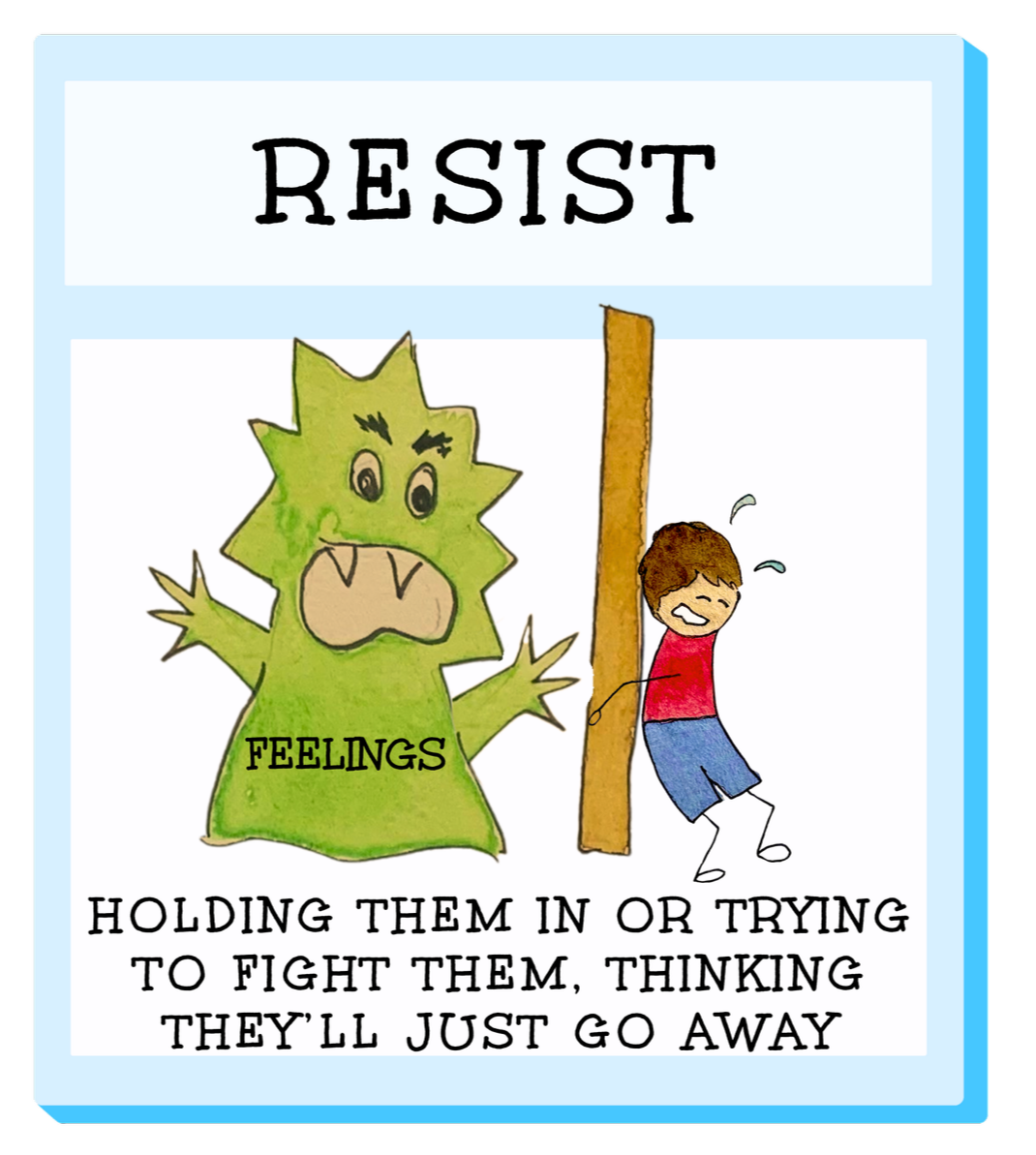
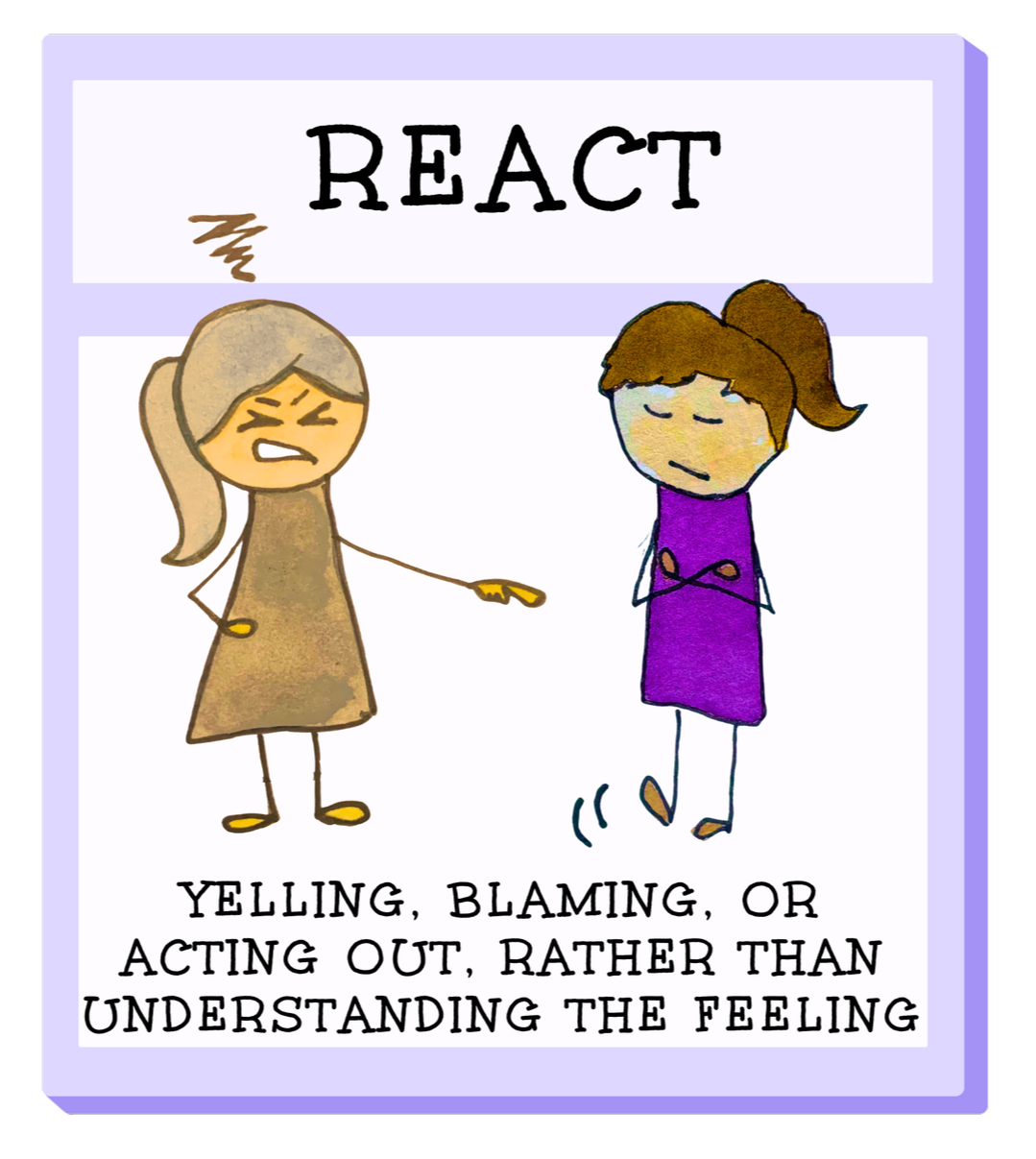
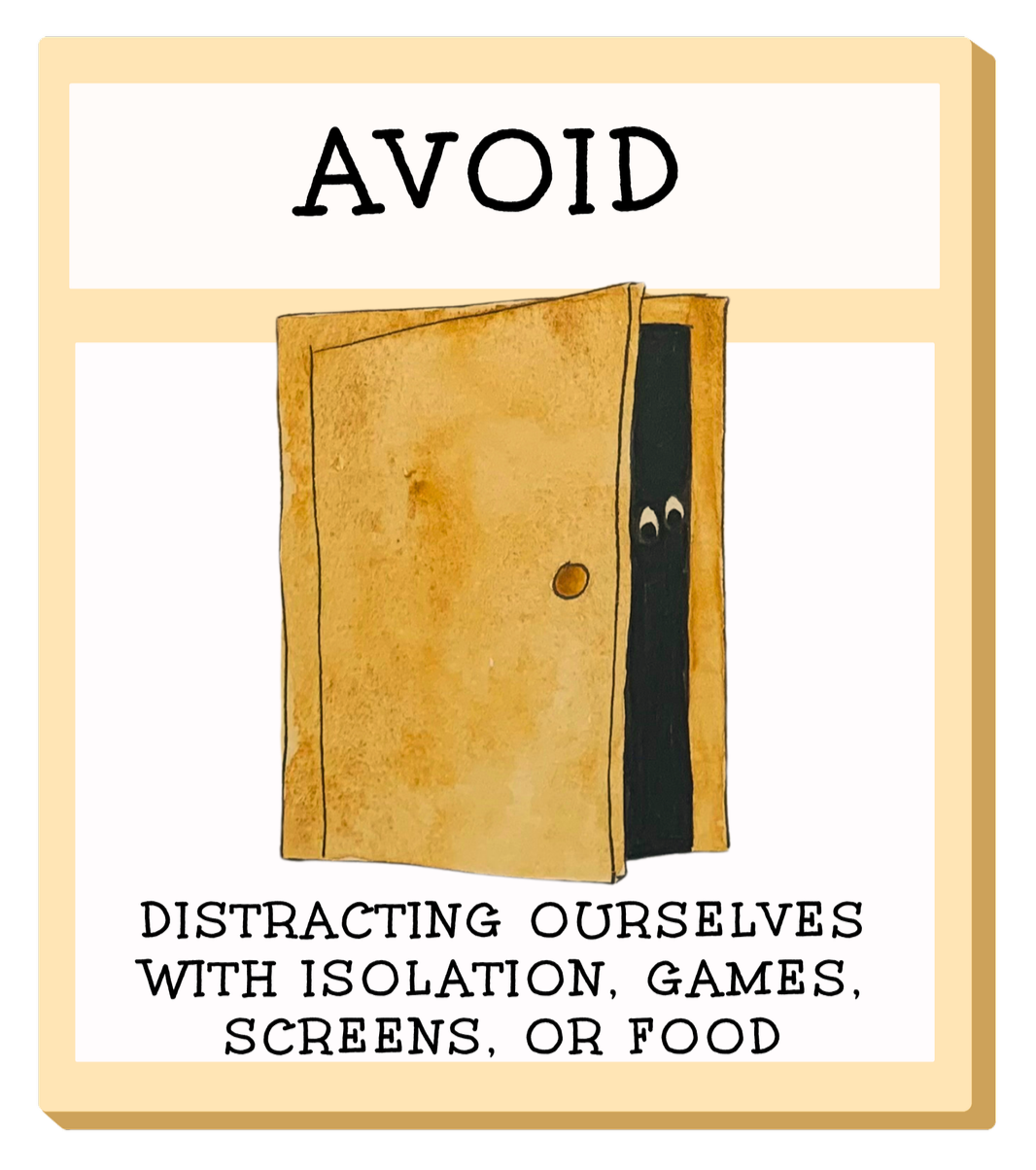
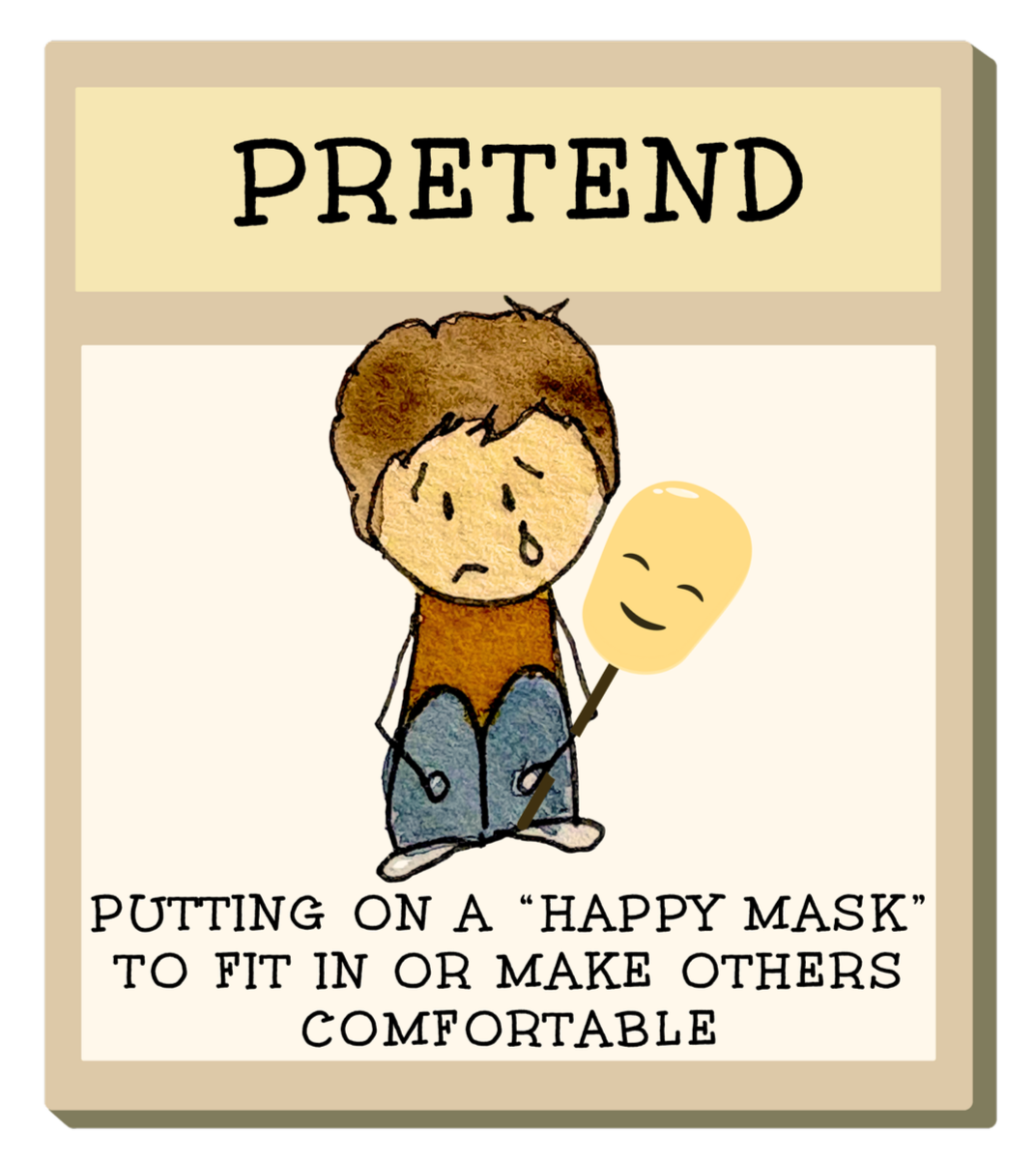
When children (and adults too) aren’t taught to understand or express their feelings, challenges can show up in:
Relationships and friendships
Self-esteem and confidence
Focus, creativity, and motivation
Coping with stress and setbacks
At Looking Glass Counseling, we teach children and teens that all behavior is communication.
We use hands-on, action-oriented, and creative strategies to help children and teens:
Express themselves safely through play, art, journaling, and games
Learn practical tools to respond instead of react
Build awareness and confidence with their emotions
Understand patterns so feelings don’t feel overwhelming
How Do We Approach
This Need?
When kids, teens, and grown-ups learn to recognize and express their emotions:
Family communication improves
Conflict becomes easier to navigate
Emotional confidence grows
Children develop skills that last beyond therapy
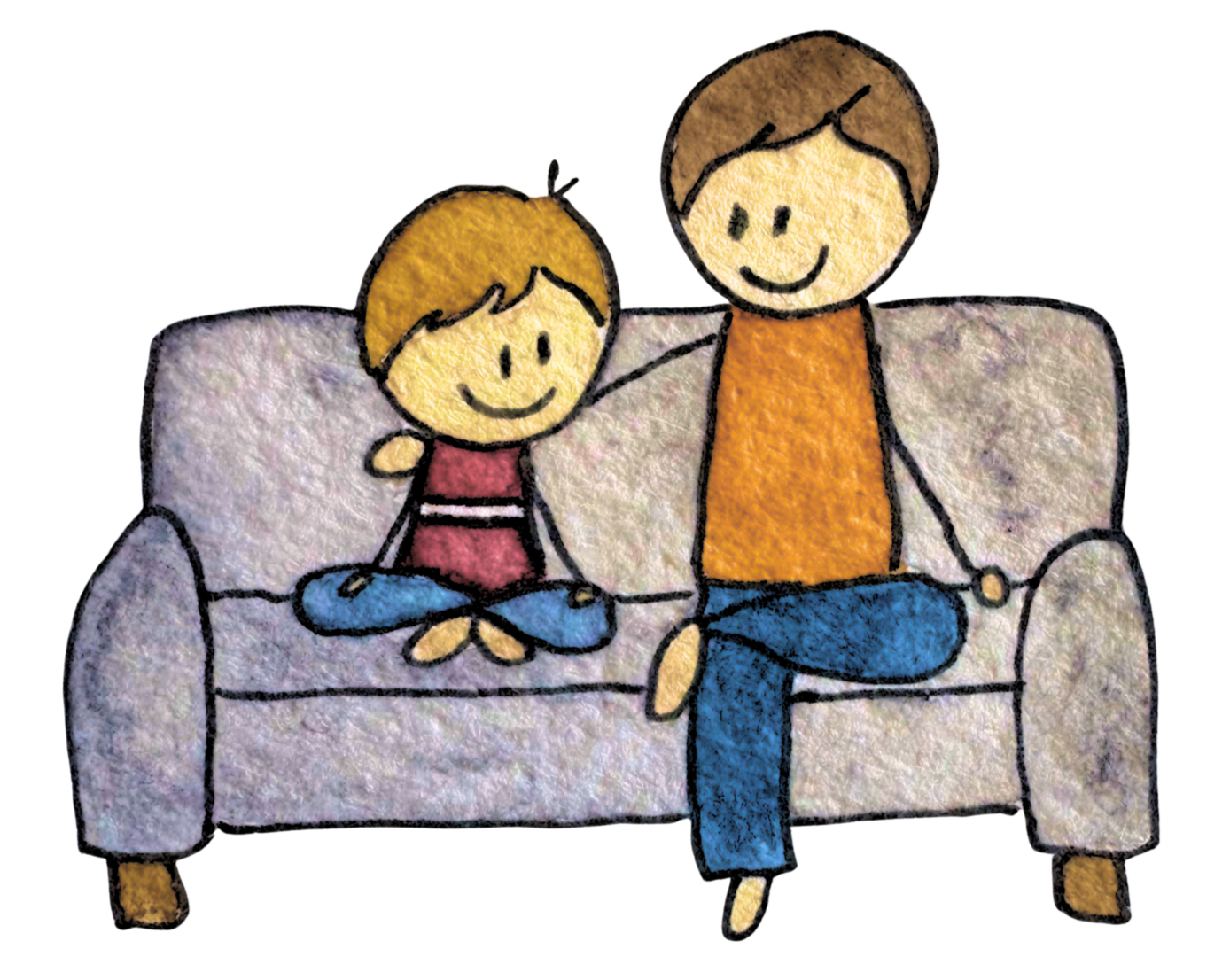
Parents also learn how to partner with their children, understand behaviors, and reinforce skills at home — all without blame or judgment.
How This Helps Your Family
Ready to see how emotions can become a superpower for your child and your family?